
The Rise of Lab-Grown Diamonds in High Jewelry — Are Collectors Buying In?
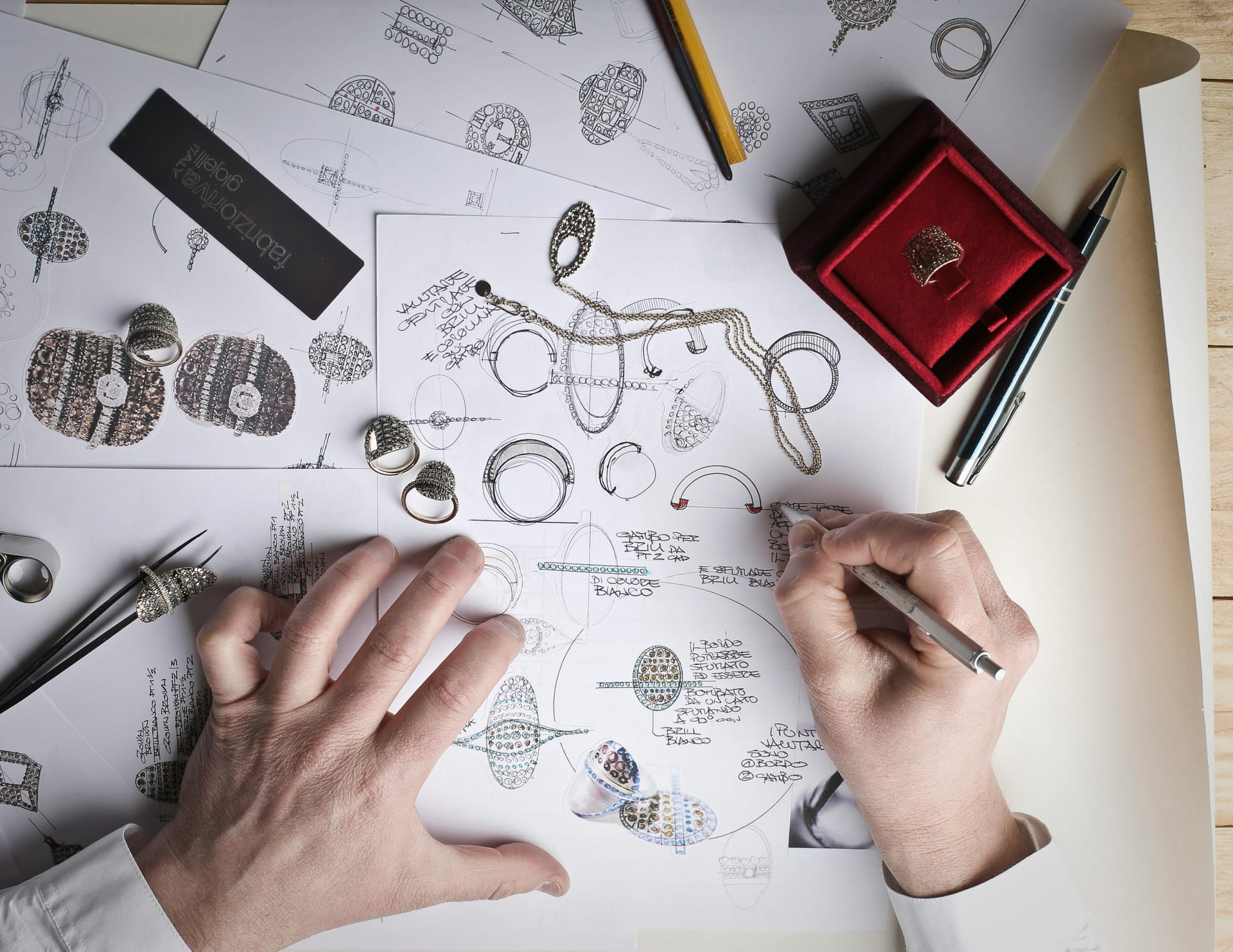
Lab-grown diamonds are no longer just a trend — they’re a force reshaping the high jewelry landscape. But are collectors embracing them, or holding out for mined stones?
Why Lab-Grown Diamonds Are Catching Fire
Sustainability and Ethics at the Core
Ethical sourcing is a growing priority for luxury buyers. Lab-grown diamonds eliminate the environmental and humanitarian concerns tied to traditional mining. A recent market report shows 41% of urban buyers prefer lab-grown stones for environmental reasons — a shift impossible to ignore in today’s eco-conscious luxury market.
Affordability Meets Accessibility
Lab-grown diamonds have become significantly more affordable, with prices dropping by up to 70% since 2020. This makes it possible to purchase larger, higher-quality stones for the same budget — an attractive option for modern consumers who value both beauty and savings.
Market Momentum: Are Collectors On Board?
Explosive Growth in Market Share
In just five years, lab-grown diamonds have grown from a niche segment to roughly 17% of the jewelry market. Sales are expected to approach USD 9 billion in 2024, though experts note the pace of growth may soon stabilize.
Younger Buyers Are Leading the Charge
Millennials and Gen Z are driving adoption, with nearly 70% showing a preference for lab-grown stones. Custom cuts, colored stones, and vintage-inspired designs are especially popular among younger buyers who view diamonds as a form of personal expression rather than solely as an investment.
High Jewelry’s Response to Lab-Grown Diamonds
Prestige Brands Stay Cautious
Heritage jewelry maisons remain selective about introducing lab-grown collections. De Beers, for example, has scaled back its lab-grown diamond line to emphasize the rarity of mined stones. Meanwhile, brands like Pandora and Signet are embracing lab-grown pieces for fashion-focused collections, separating them from their high jewelry lines.
Innovation and Quality Control
Institutions like the GIA now offer dedicated grading for lab-grown diamonds, ensuring that buyers receive consistent quality verification. Some brands are launching Swiss-made, carbon-neutral lab-grown collections, combining technological innovation with the craftsmanship high jewelry clients expect.
What Do Collectors Really Think?
- Resale Value Remains a Challenge: Unlike natural diamonds — which may retain 20–60% of their value — lab-grown stones often resell for less than 10–30% of the original cost.
- Perception vs. Prestige: Some collectors feel that lab-grown diamonds lack the heritage and scarcity that make high jewelry pieces true heirlooms. As one industry insider put it, “They’re beautiful, but do they carry the same prestige?”
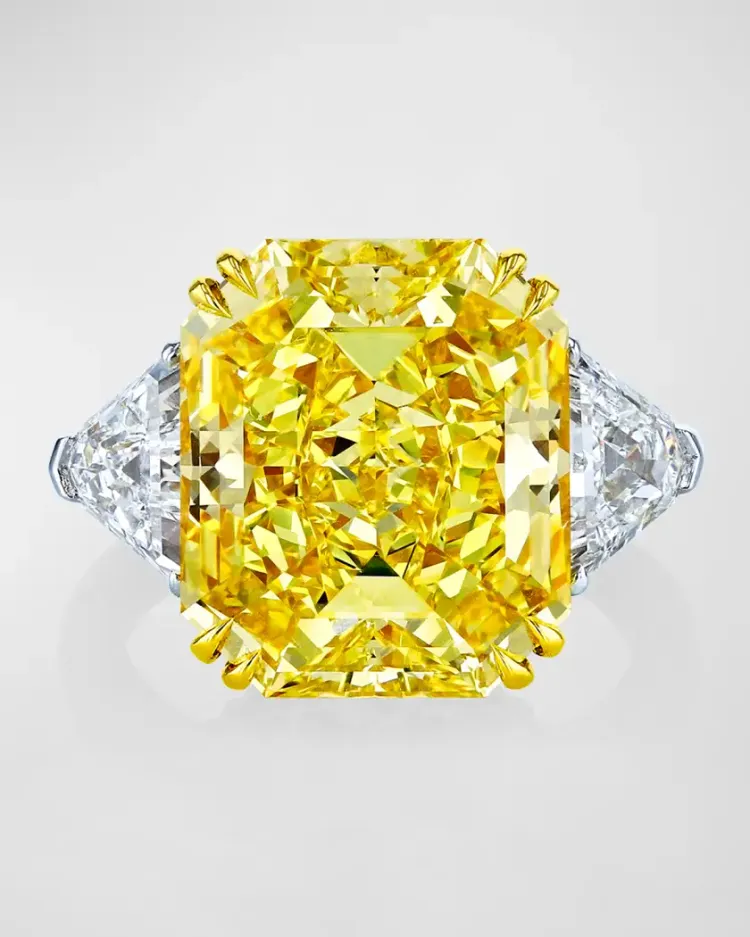
- Ethics and Beauty Over Status: On the other hand, many buyers — especially younger ones — prioritize design, sustainability, and affordability over traditional ideas of luxury. For these buyers, lab-grown color diamonds offer accessible, conflict-free luxury at a fraction of the price.

Final Thoughts
Lab-grown diamonds are changing the rules of high jewelry. They deliver sustainable luxury, innovative design, and unmatched affordability — but they’re also challenging long-standing ideas of value and collectability.
For now, collectors remain divided: some embrace the technology, while others stay loyal to natural diamonds as rare and enduring symbols of prestige.
Would you choose a lab-grown diamond for your next heirloom piece?
衣装本体と付属品のバランスを確認すると、準備する小物の抜けを防ぎやすくなります。イベント当日の使いやすさを考えるなら、レム コスプレ衣装 通販を見て着脱や動きやすさを比較できます。写真で見える部分を意識して準備すると、キャラクターの印象を整えやすくなります。
From couture to castles, superyachts to rare timepieces—join our private list to receive curated insights from every corner of the luxury world.
Member discussion